Blog ·
Planning Your Destination Wedding Photography Strategy
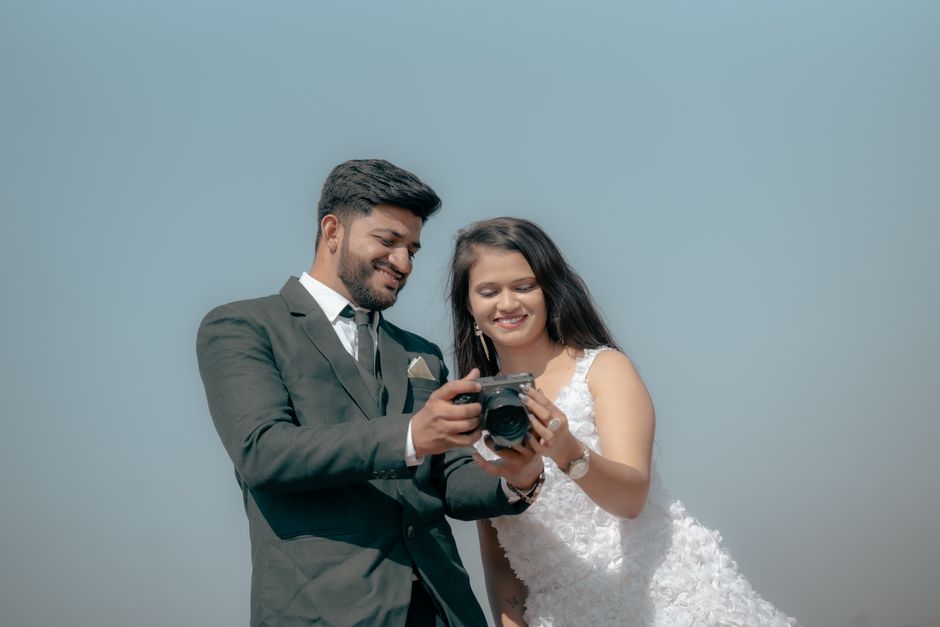
Destination weddings present unique opportunities and distinct challenges when it comes to photography. You're celebrating in a stunning location, creating an adventure with your closest loved ones, but you're also navigating unfamiliar terrain, varied lighting conditions, and potentially complex logistics. Strategic planning ensures your photographer captures all the beauty and emotion of your celebration without being caught off-guard by unexpected obstacles.
Understand Local Lighting Conditions
Different destinations have dramatically different light at different times of year. Tropical locations may have intense midday sun creating harsh shadows, making early morning and late afternoon shoots essential. Mountain or coastal venues might have completely different golden hour timing than your home city. Research your specific destination's light patterns months in advance, and discuss these factors with your photographer. Understanding how light behaves in your chosen location allows for better planning of your timeline and shooting schedule.
Scout Locations Beforehand When Possible
If you're able to visit your destination before the wedding, spend time exploring potential ceremony and portrait locations. Identify spots with beautiful backgrounds, consider foot traffic and privacy, and note any access restrictions or permits required. Even if you can't visit in person, look at extensive photos and videos of your venue and surrounding areas. Discuss these locations with your photographer so they arrive prepared with location knowledge and can navigate efficiently on your wedding day.
Plan Your Wedding Day Timeline Strategically
Destination weddings often compress your timeline into fewer hours than local celebrations. With travel and different time zones involved, guests may be jet-lagged and ceremonies might start earlier than you'd planned at home. Build in dedicated time for bridal portraits before the ceremony when light is optimal and you're fresh. Communicate your full timeline to your photographer well in advance, including any activities beyond the ceremony and reception that you'd like documented.
Account for Logistics and Travel
Ensure your photographer has clear information about how to access your venue, parking arrangements, and any equipment restrictions. Some destination venues have limited space for photographer movement or may require permissions for elevated positions or drone photography. If your celebration spans multiple days or locations, clarify which events require photography coverage and communicate travel logistics.
Embrace the Location as Part of Your Story
Destination weddings offer an incredible advantage—your location is inherently photogenic. The stunning scenery, unique architecture, or natural beauty becomes part of your wedding narrative. Work with your photographer to incorporate these elements thoughtfully into portraits and detail shots. The landscape isn't just a backdrop; it's integral to why you chose this location and what makes your wedding uniquely yours.
Build in Flexibility
Destination weddings are vulnerable to weather surprises, unexpected delays, and logistical hiccups that local celebrations can more easily navigate. Discuss contingency plans with your photographer regarding weather changes, timing shifts, and alternate locations. A photographer experienced with destination weddings will have encountered these challenges before and can adapt gracefully.
The magic of destination wedding photography lies in capturing not just your celebration, but the adventure, beauty, and significance of your chosen location. When you plan thoughtfully with your photographer as a true partner, you'll return home with images that beautifully document where and how you celebrated your commitment.